
10 Years of Experience | Family & Veteran Owned
CALL US NOW: (818) 751-051910 Years of Experience | Family & Veteran Owned
CALL US NOW: (818) 751-0519This page covers how silicone roof coating work is actually carried out in Mission District — what happens on site, how material choice is affected by local conditions, what moves the price, and the permit position in San Francisco. It is written for property owners weighing up the job rather than as a sales pitch.
Fog and long wet spells make drainage and underlayment the priorities. Composition shingle and metal both work when detailing is right; what fails here is almost always a valley, a parapet or a flashing junction rather than the field of the roof.
No two Mission District roofs price the same. These are the factors that actually change the number, in rough order of impact:
San Francisco requires a permit for roof replacement, and buildings in historic districts face additional review. Many properties also have party-wall and parapet details that must be addressed as part of the work. We pull the permit for Mission District work ourselves rather than leaving it with you.
Repair is usually the right answer, but not always. Consider replacement when:
We cover Mission District along with Potrero Hill and San Francisco, and we will tell you honestly which side of that line your roof sits on. An inspection and written quote cost nothing.



Very honest and easy to work with. They explained everything clearly and didn’t try to upsell anything. Roof looks great and no more issues.
Had some storm damage and they handled everything smoothly. Helped us through the process and got the job done fast. Very reliable.
Great communication from start to finish. Showed up on time, kept everything clean, and the roof came out perfect. Really solid crew.
Great communication from start to finish. Showed up on time, kept everything clean, and the roof came out perfect. Really solid crew.
Had some storm damage and they handled everything smoothly. Helped us through the process and got the job done fast. Very reliable.
You can tell they know what they’re doing. Quality work, fair price, and no shortcuts. I’d definitely use them again.
Your home is most likely the largest investment you’ll ever make, and your roof is its most important security blanket! We opened our own Roofing company because the roofing experience is dull for homeowners. Our goal was to bring a new level of trust and professionalism to your doorstep. Doing what we say we are going to do this is a mantra of ours.
our Roofing Company is committed to the principles of honesty, integrity, and professionalism in everything we do. Our goal is to communicate efficiently and treat you just like family every step of the way. We want to be a better roofing contractor than most people picture in their minds. I think most people will notice this in the way we handle our business.




Silicone Roof Coating Mission District High-Performance Roof Protection
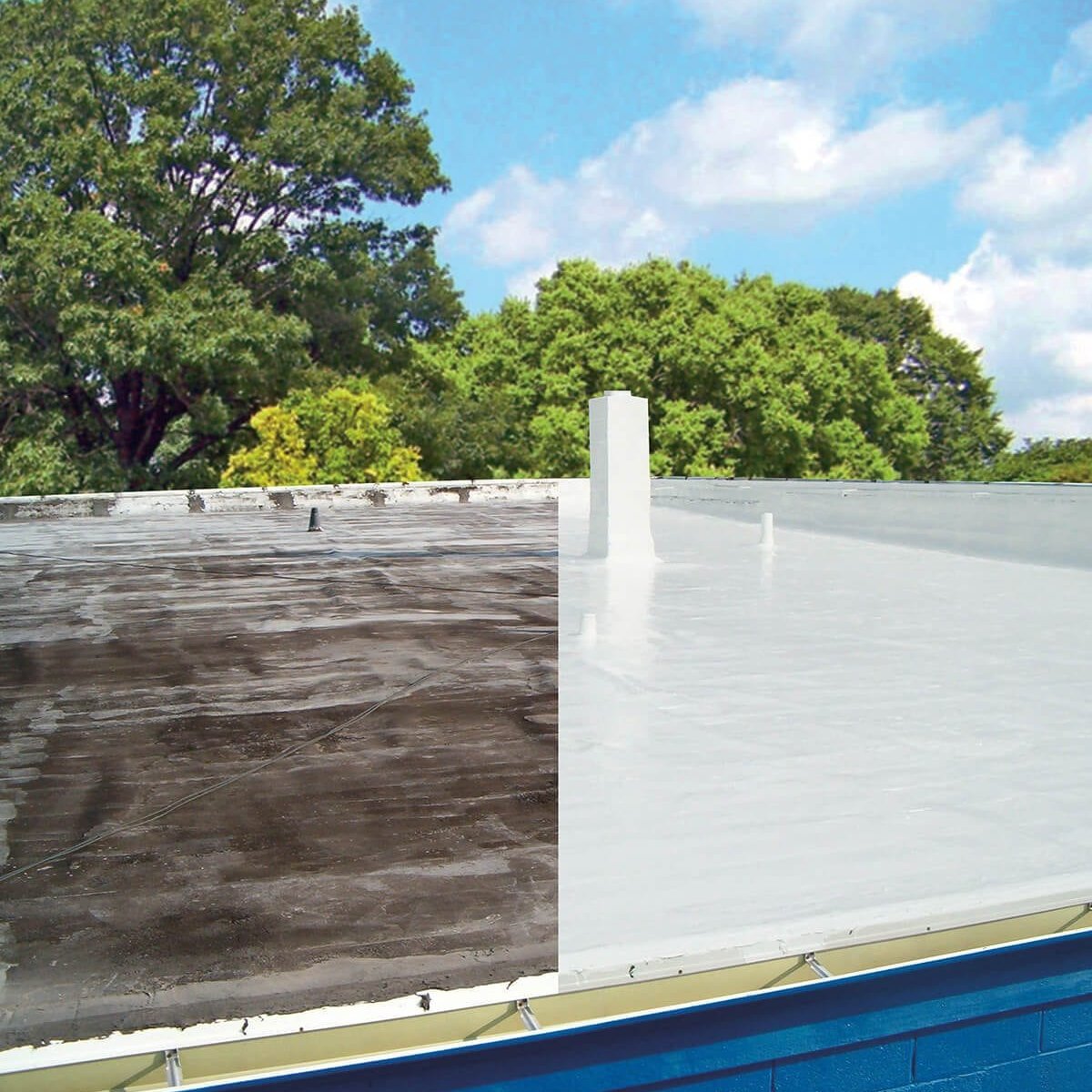
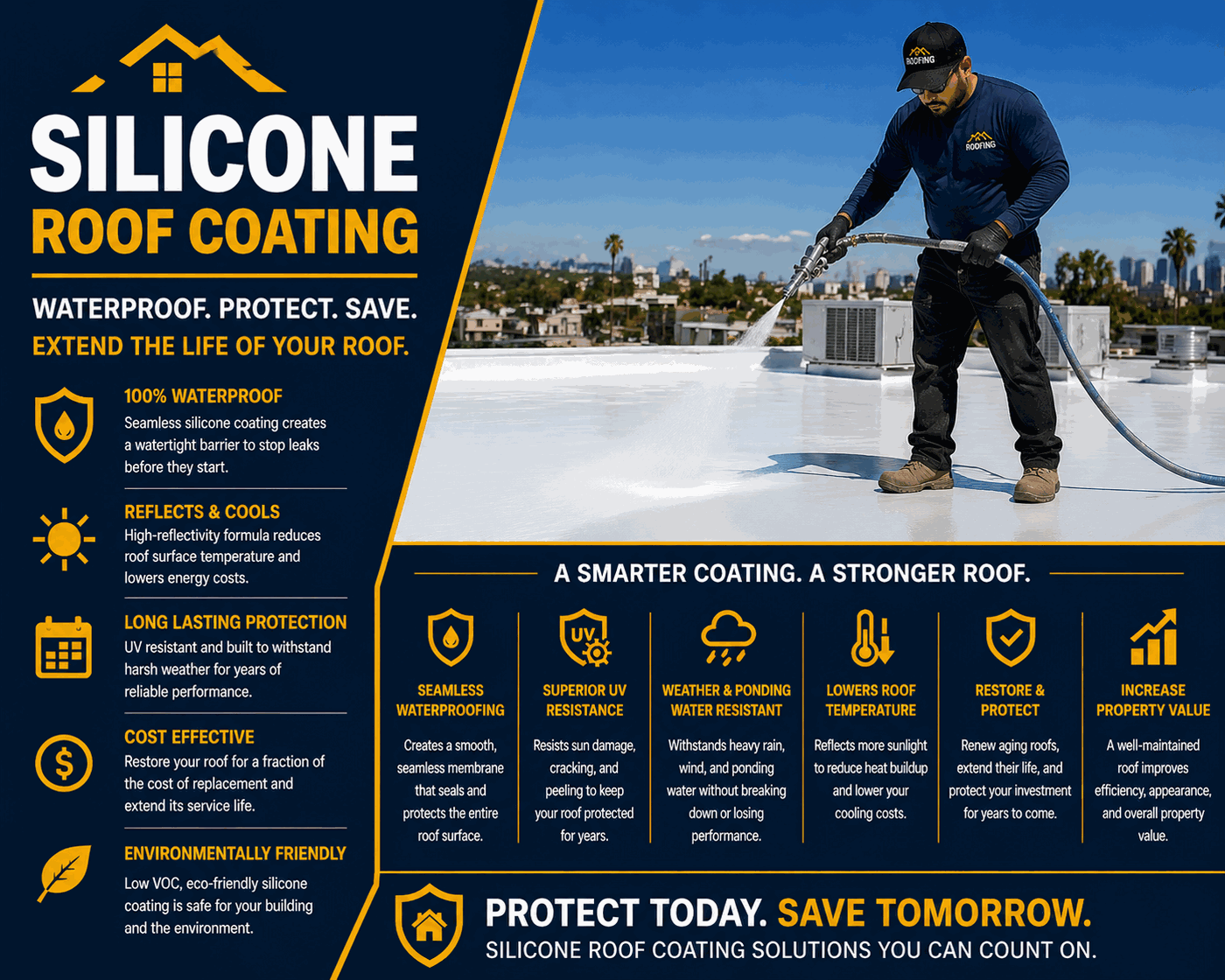
When it comes to Silicone Roof Coating Mission District, property owners are choosing a cost-effective way to restore and protect their roofs without a full replacement. Silicone coatings create a seamless, waterproof barrier that prevents leaks, reflects heat, and extends the life of your roofing system. Porter Ranch Roofing & Commercial Roof Repair provides professional silicone roof coating services designed for long-term performance in Mission District conditions.
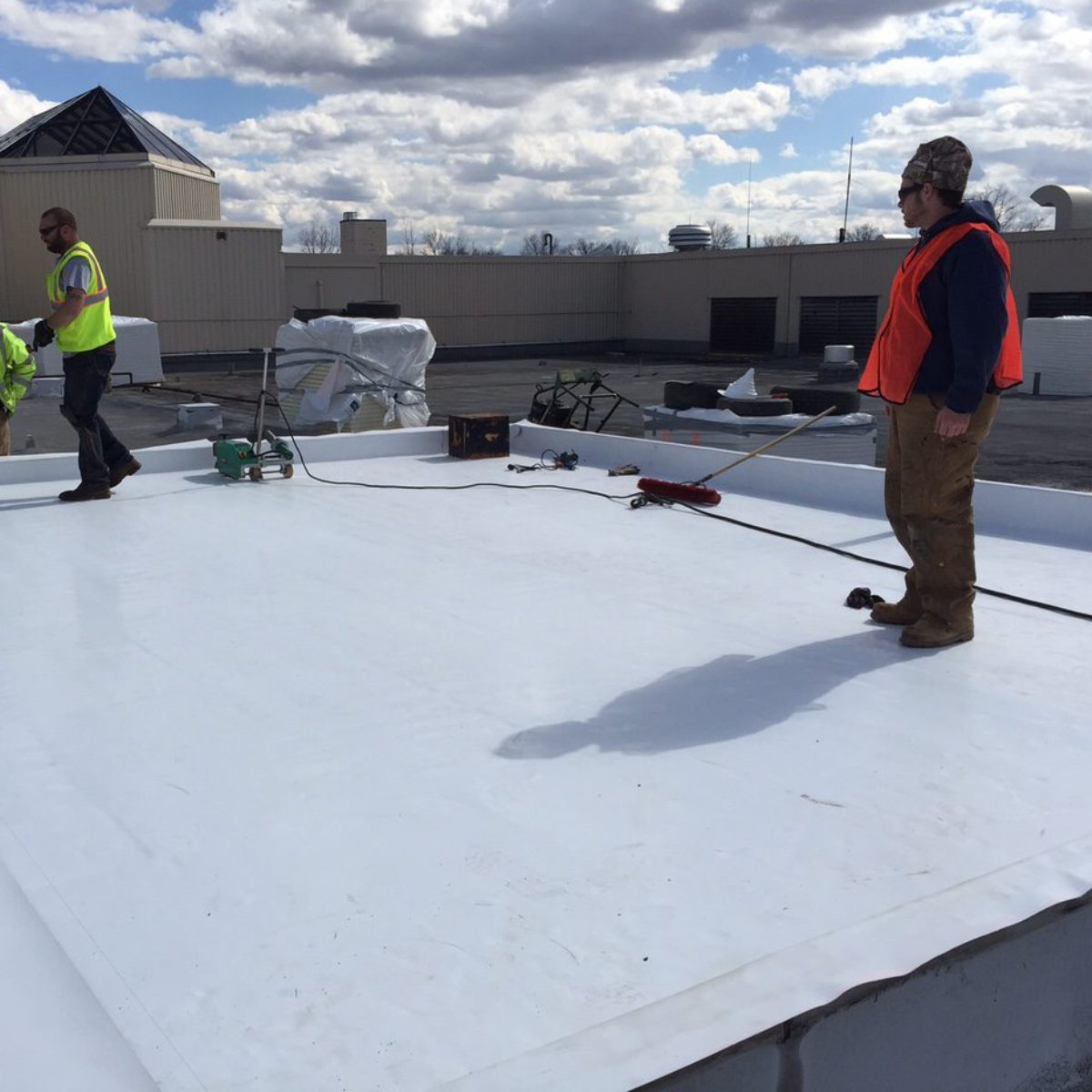
This solution is ideal for flat and low-slope roofs that need reliable protection and improved durability.
About Mission District
Much of the housing stock around Mission District is older, and many roofs carry several layers added over decades. What sits underneath the visible surface often matters more than the covering itself when a leak starts. It also performs well during occasional heavy rains by creating a waterproof seal that prevents leaks. Roofing systems in this region benefit greatly from protective coatings designed specifically for these conditions.
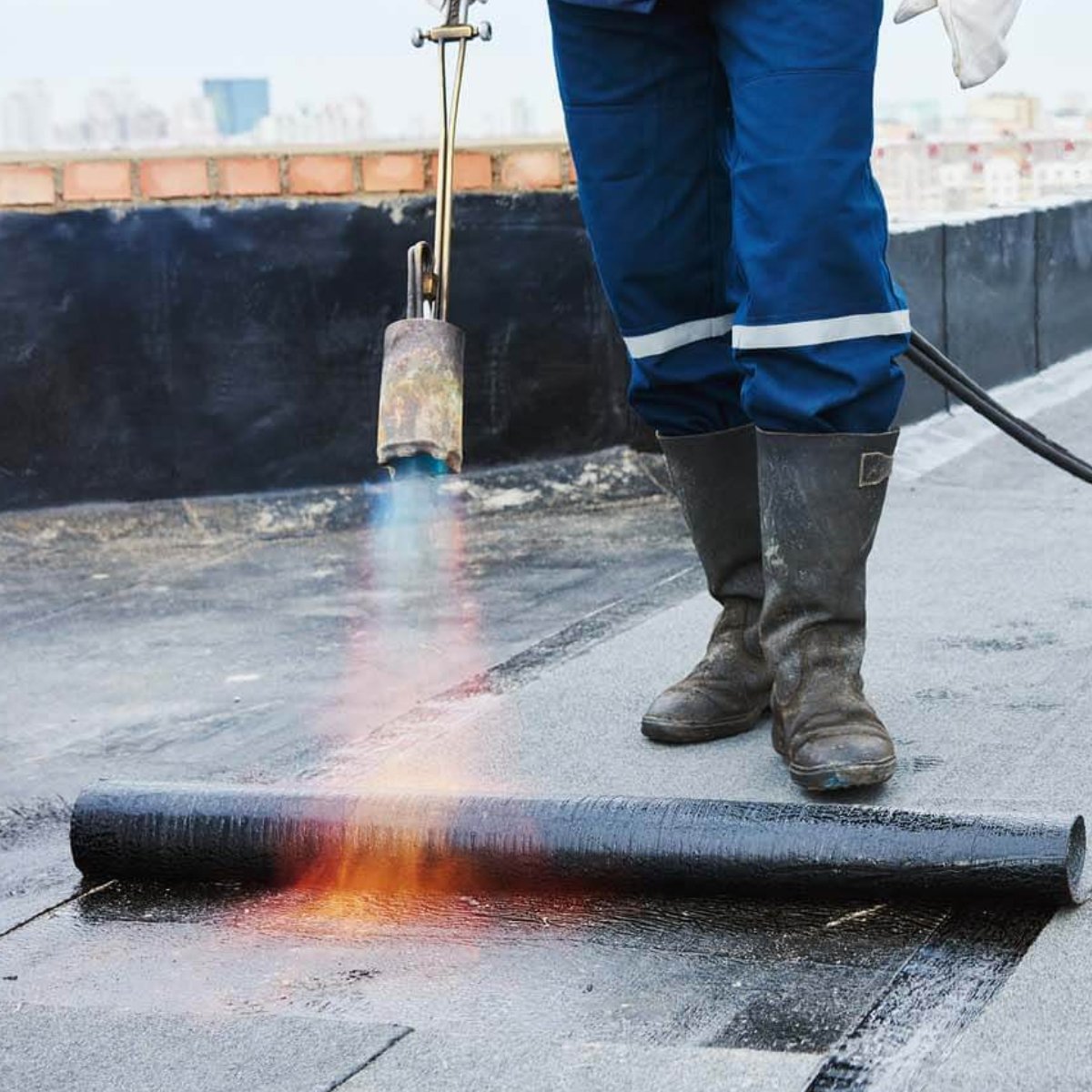
Silicone Roof Coating Mission District Professional Application
With Silicone Roof Coating Mission District the difference between a lasting fix and a temporary one is usually diagnosis. Water travels, so the stain on the ceiling is rarely under the hole. We trace it properly, then repair shingle, tile, flat or metal systems with materials matched to what is already there.
Silicone Roof Coating Mission District Waterproofing Benefits
One of the biggest advantages of Silicone Roof Coating Mission District is its ability to create a fully waterproof system. Unlike traditional roofing materials that have seams and joints, silicone coatings form a continuous membrane that prevents water intrusion.
This makes it an ideal solution for flat roofs prone to leaks and standing water.
Silicone Roof Coating Mission District Energy Efficiency
Silicone coatings are highly reflective, helping reduce heat absorption. With Silicone Roof Coating Mission District, your roof reflects sunlight instead of retaining heat, which can lower indoor temperatures and reduce energy costs.
In a hot climate like Mission District, this can significantly improve overall building efficiency.
Silicone Roof Coating Mission District Roof Restoration
Instead of replacing an aging roof, Silicone Roof Coating Mission District can restore its performance. By sealing cracks, reinforcing weak areas, and protecting the surface, the coating extends the life of your existing roof.
This approach provides long-term protection at a fraction of the cost of a full replacement.
Silicone Roof Coating Mission District Low Maintenance and Longevity
Silicone-coated roofs require minimal maintenance while delivering long-lasting protection. Our Silicone Roof Coating Mission District services include inspections and ongoing care to ensure the coating continues to perform effectively.
With proper application and maintenance, silicone coatings can significantly extend the lifespan of your roof.
Silicone Roof Coating Mission District Serving the Entire Area
We proudly provide Silicone Roof Coating Mission District services throughout Mission District and surrounding areas. Our goal is to deliver dependable roofing solutions that property owners can rely on.
Silicone Roof Coating Mission District Free Estimates Available
If you’re considering Silicone Roof Coating Mission District, Porter Ranch Roofing & Commercial Roof Repair is ready to help. Contact us today for a professional consultation and expert service.
Silicone Roof Coating Mission District FAQWhat is silicone roof coating used for?
It is used to waterproof, protect, and extend the life of existing roofing systems. Is
silicone roof coating good for Mission District roofs?
Yes, it performs extremely well in Mission District due to its UV resistance and heat-reflective properties.
How long does silicone roof coating last?
With proper application and maintenance, it can last many years. Can silicone
coating stop roof leaks?
Yes, it creates a seamless barrier that prevents water intrusion and stops leaks effectively.

Get in touch today see how we work very transparent No Salesman you deal with me the owner Save a average 15-30% with us.


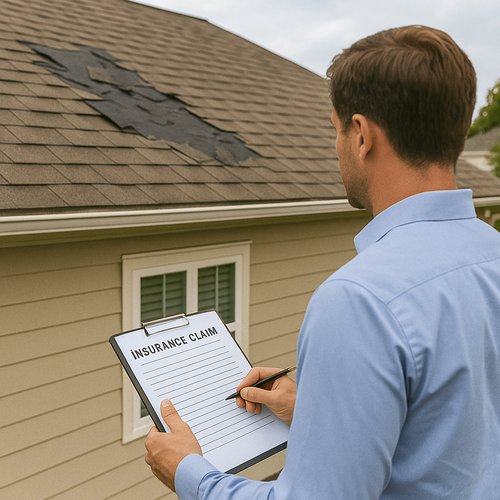


That’s Why We Offer Affordable
Options To Suit Your Budget.
Instead of putting off your new roof for yet another year, ensure your home is in tip-top condition without breaking the bank and making your solution for your roof happen without hidden costs. We offer Roof Restoration & Rejuvenation for Low Slope Roofs & Asphalt Shingles. We work with Manufacture Guaranteed Material & Labor.