
10 Years of Experience | Family & Veteran Owned
CALL US NOW: (818) 751-051910 Years of Experience | Family & Veteran Owned
CALL US NOW: (818) 751-0519

Bathroom Remodeling Visitacion Valley
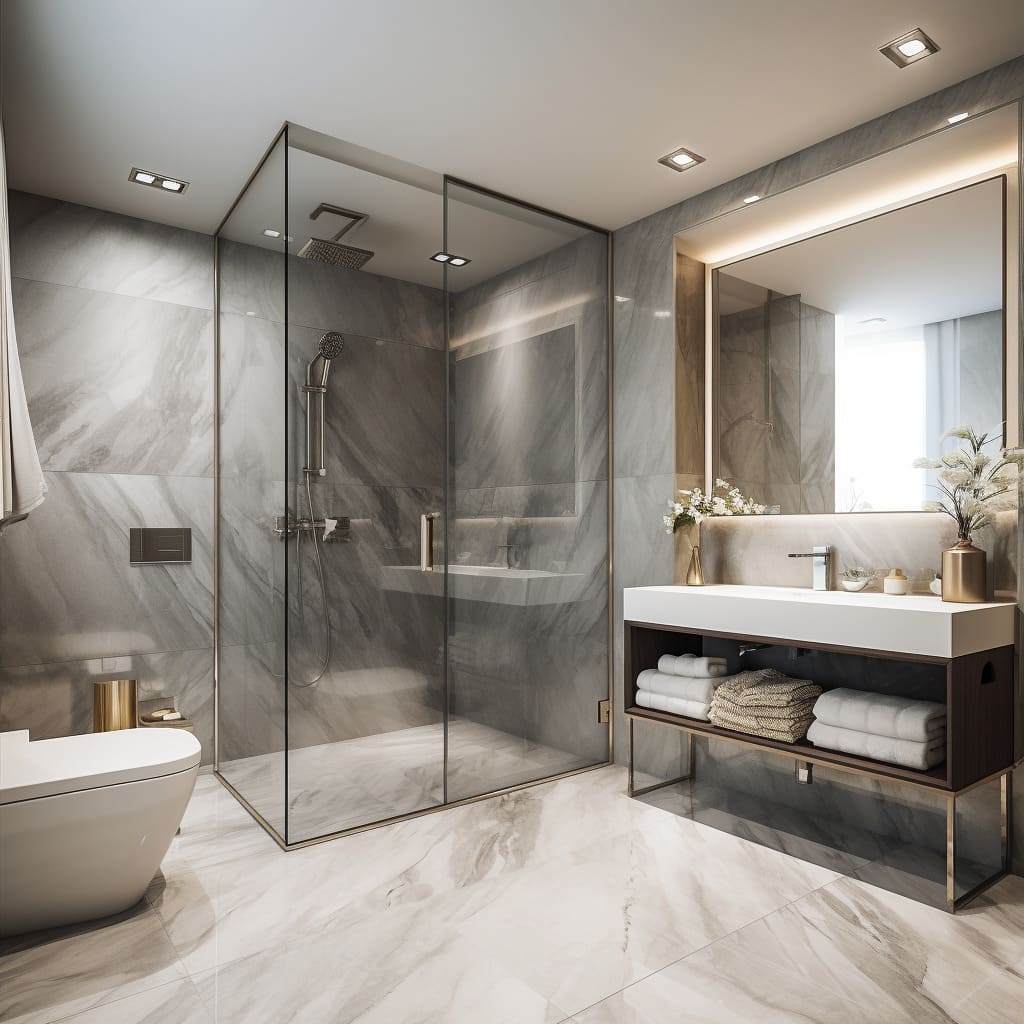
Bathroom remodeling in Visitacion Valley is a great way to improve comfort, style, and home value. Whether your bathroom is outdated, damaged, or no longer functional, a professional remodel can turn it into a clean, modern, and practical space.A bathroom remodel can include shower replacement, bathtub upgrades, custom tile, vanity installation, new countertops, flooring, lighting, plumbing fixtures, mirrors, drywall repair, and painting. Every detail matters, especially in a room that deals with moisture and daily use.Many older bathrooms in Visitacion Valley may also have hidden problems such as water damage, old plumbing, weak flooring, poor ventilation, or mold concerns. Fixing these issues during the remodel helps protect your home and prevents bigger problems later.Our bathroom remodeling services are designed to give homeowners a finished space that looks great and works properly. From small bathroom upgrades to complete renovations, we focus on quality workmanship, durable materials, and clean finishes.If you need bathroom remodeling in Visitacion Valley, our team can help create a bathroom that is modern, comfortable, and built to last.

Get in touch today see how we work very transparent No Salesman you deal with me the owner Save a average 15-30% with us.




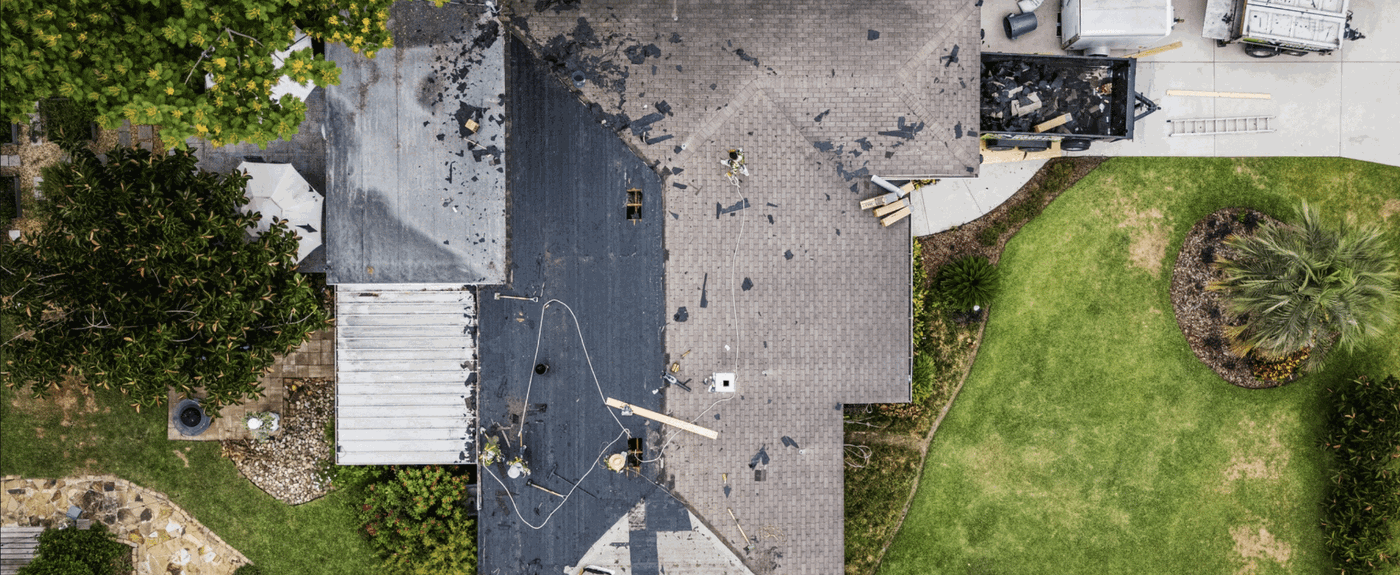
This page covers how bathroom remodeling work is actually carried out in Visitacion Valley — what happens on site, how material choice is affected by local conditions, what moves the price, and the permit position in San Francisco. It is written for property owners weighing up the job rather than as a sales pitch.
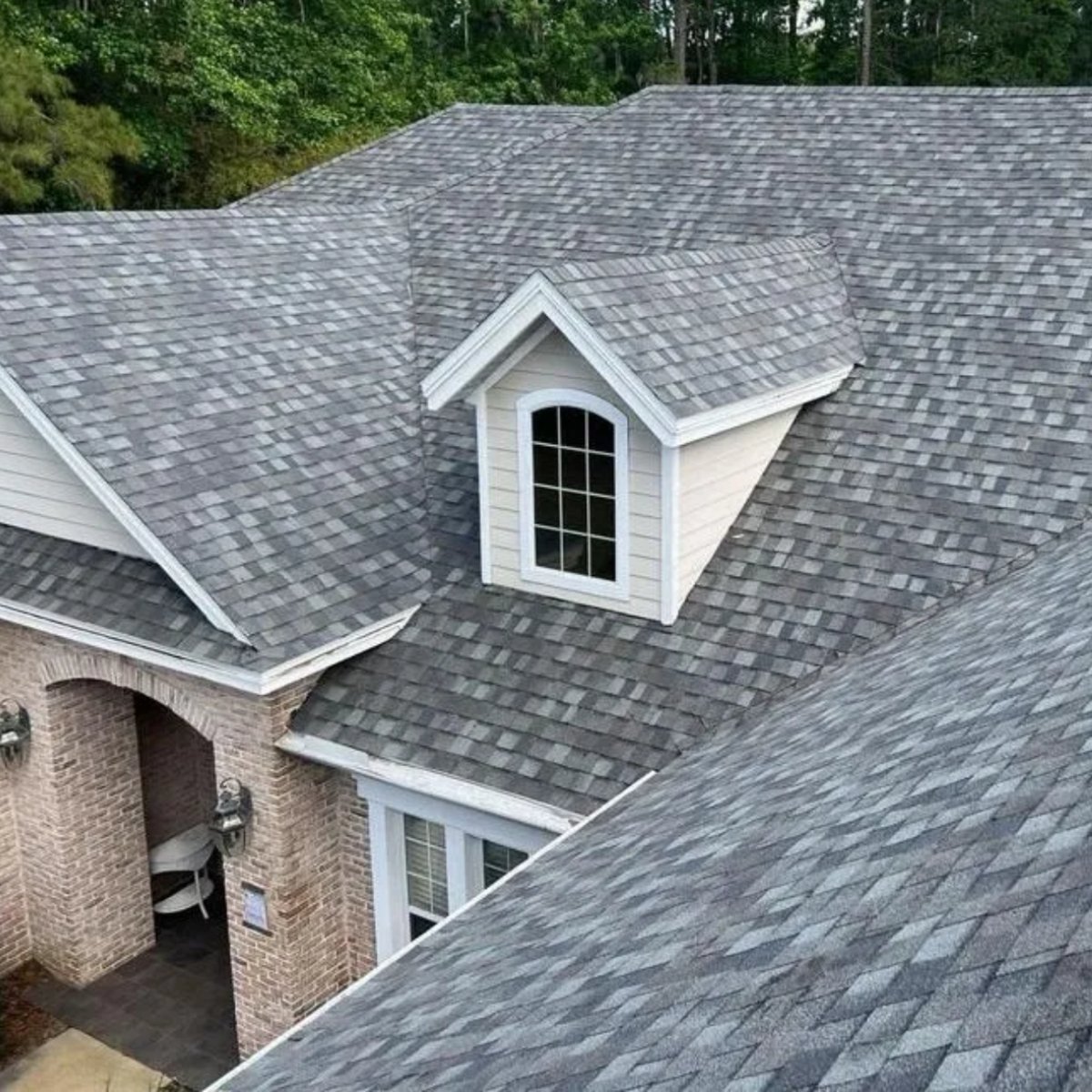
Fog and long wet spells make drainage and underlayment the priorities. Composition shingle and metal both work when detailing is right; what fails here is almost always a valley, a parapet or a flashing junction rather than the field of the roof.
No two Visitacion Valley roofs price the same. These are the factors that actually change the number, in rough order of impact:
San Francisco requires a permit for roof replacement, and buildings in historic districts face additional review. Many properties also have party-wall and parapet details that must be addressed as part of the work. We pull the permit for Visitacion Valley work ourselves rather than leaving it with you.
Repair is usually the right answer, but not always. Consider replacement when:
We cover Visitacion Valley along with Excelsior District and Bayview Hunters Point, and we will tell you honestly which side of that line your roof sits on. An inspection and written quote cost nothing.
Your home is most likely the largest investment you’ll ever make, and your roof is its most important security blanket! We opened our own Roofing company because the roofing experience is dull for homeowners. Our goal was to bring a new level of trust and professionalism to your doorstep. Doing what we say we are going to do this is a mantra of ours.
our Roofing Company is committed to the principles of honesty, integrity, and professionalism in everything we do. Our goal is to communicate efficiently and treat you just like family every step of the way. We want to be a better roofing contractor than most people picture in their minds. I think most people will notice this in the way we handle our business.


That’s Why We Offer Affordable
Options To Suit Your Budget.
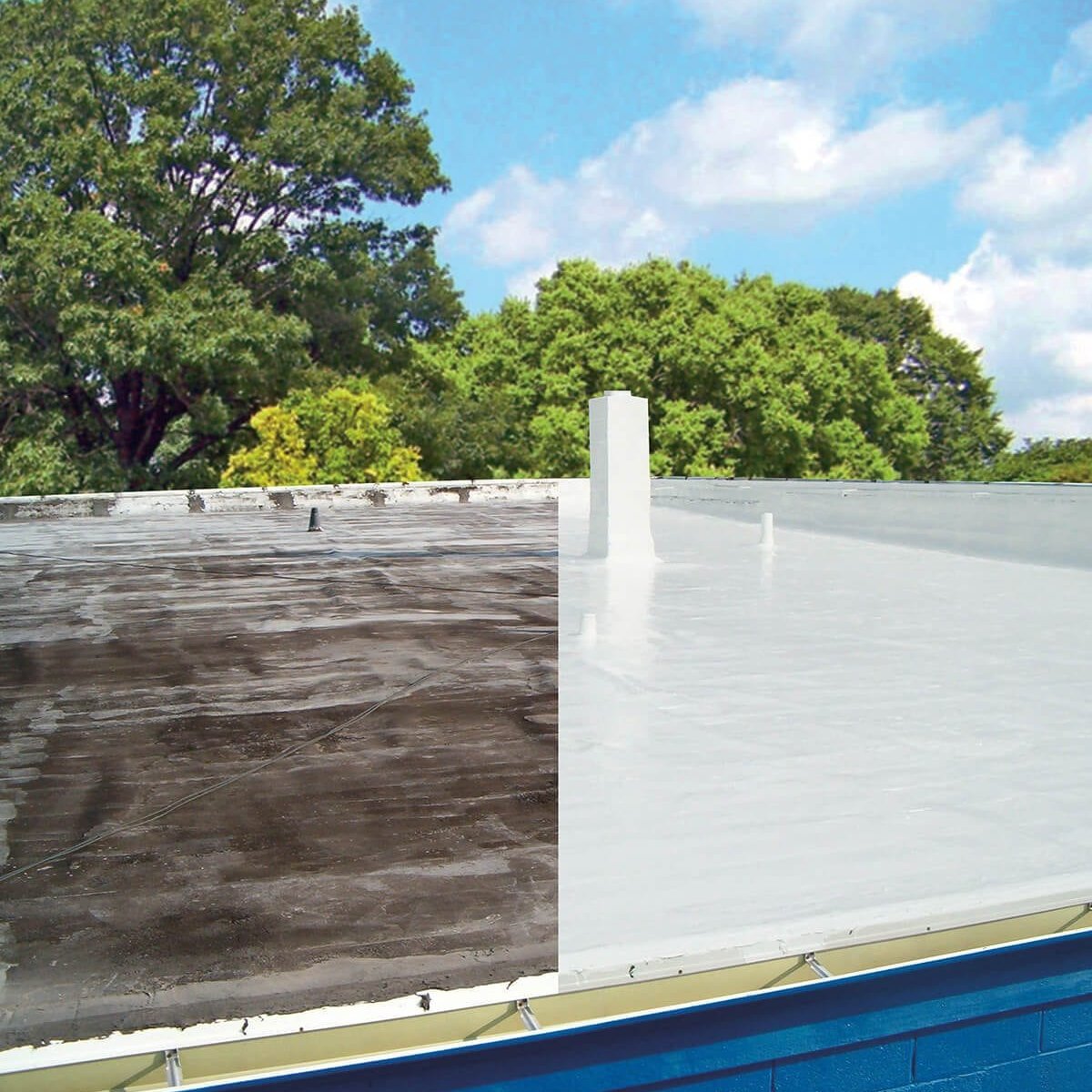
Instead of putting off your new roof for yet another year, ensure your home is in tip-top condition without breaking the bank and making your solution for your roof happen without hidden costs. We offer Roof Restoration & Rejuvenation for Low Slope Roofs & Asphalt Shingles. We work with Manufacture Guaranteed Material & Labor.